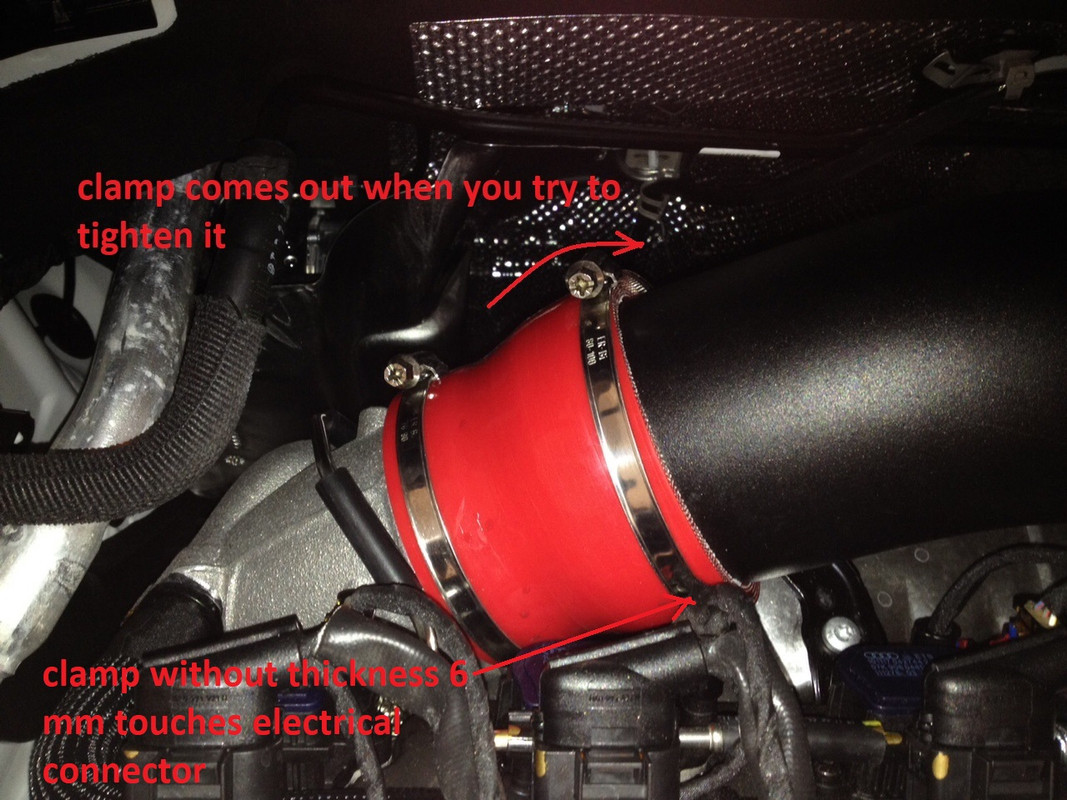
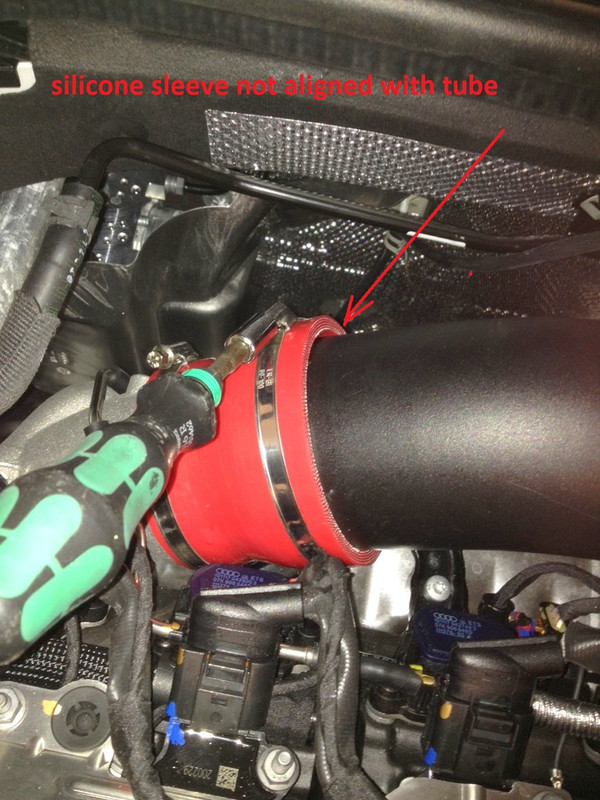
I have had the HG intake fitted for a number of weeks now so I thought I would provide an update as to how I have got on with it. Apologies in advance for the long post but it's worth finding out the info if you are interested in the HG intake.
As mentioned in the posts above, the HG intake is potentially a good cost effective way of adding a larger intake pipe between the stock airbox and turbo without spending loads of cash on carbon parts and air-boxes which may, or may not work.
Firstly, I wanted to know if adding the HG intake would actually provide extra power due to the increased pipe diameter and subsequent perceived extra airflow to the turbo. There were some issues with the actual fit of the pipe (more about that shortly) but for experimental purposes I decided that I would still run it on a dyno for comparison against the OEM intake pipe.
I ran the stock car on the Surrey Rolling Road dyno and it produced 435.2ps (don't want to get into discussion about dyno accuracy please - just comparison purposes only). Car was taken off the rollers and I managed to fit the HG intake and get it back on the rollers again. The car then ran 439.2ps and a small increase in torque. On paper this does not seem to be a big increase but bear in mind that the car was hotter, and had no time at all for the ECU to 'adapt' to the increased airflow.
I kept the HG intake on the car and a week later went to MRC for an intercooler upgrade (Forge) and custom remap, results were 492ps and 675nm. The MRC dyno cell ambient temp was 26degC so on a cooler day the results may well have been slightly higher. My friends FL car on the same day with stock IC managed 472ps and 655nm.
I realise that the results are not scientifically proven using airflow measures etc, but just on an 'apples for apples' comparison basis it does seem to show that there is a benefit from fitting a larger air intake pipe to the car.
So for anyone considering fitting the HG intake, we need to now talk about exactly that...fitting the damn thing! Please note that others have managed to fit these pipes to their cars without too many issues, but this is just an account of what I have personally found with the part that was supplied to me.
For the price it's not bad quality at all, until you come to fit it. It seems that the position of the welded support bracket can vary slightly from pipe to pipe which causes alignment issues (also proven by T-800 and Betaone post above) and that the silicone hoses supplied with the kit are just too stiff at the airbox end and maybe a tad too short at the turbo end. Its a shame that the kit has not been thought through a bit more as it would be great value.
I wasn't going to give up on it so I had a chat with T-800 and we decided that we would have a go at 're-engineering' the parts that needed improving.
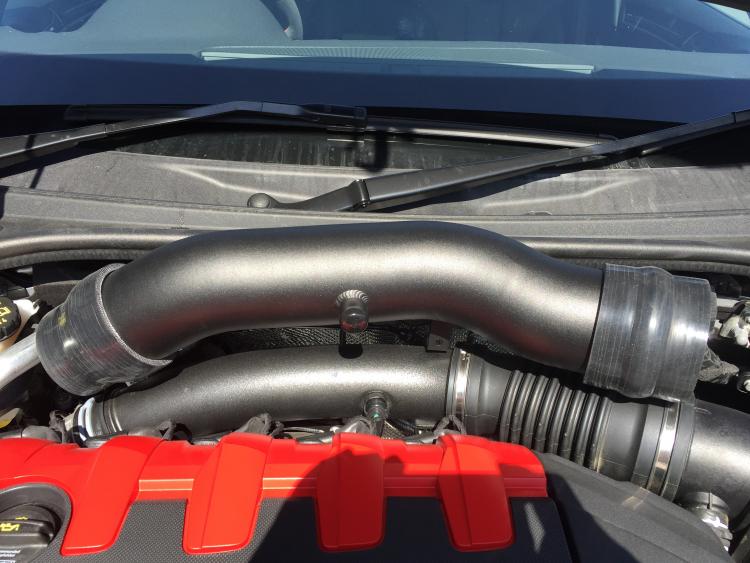
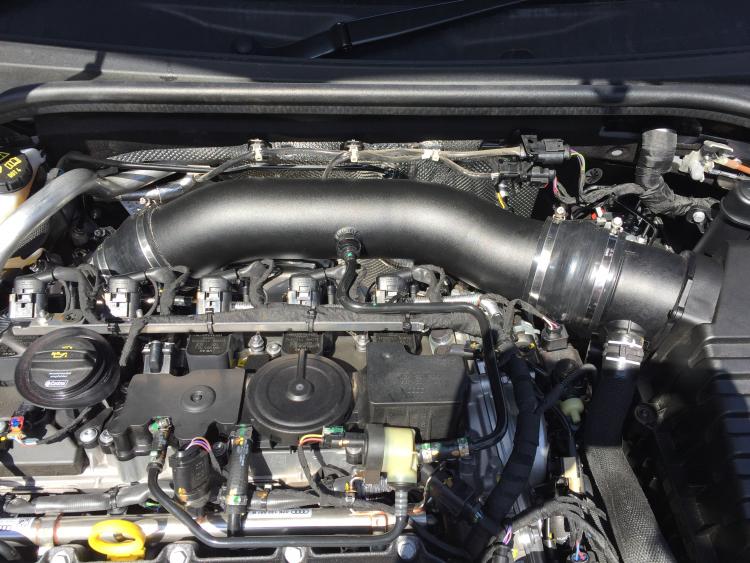
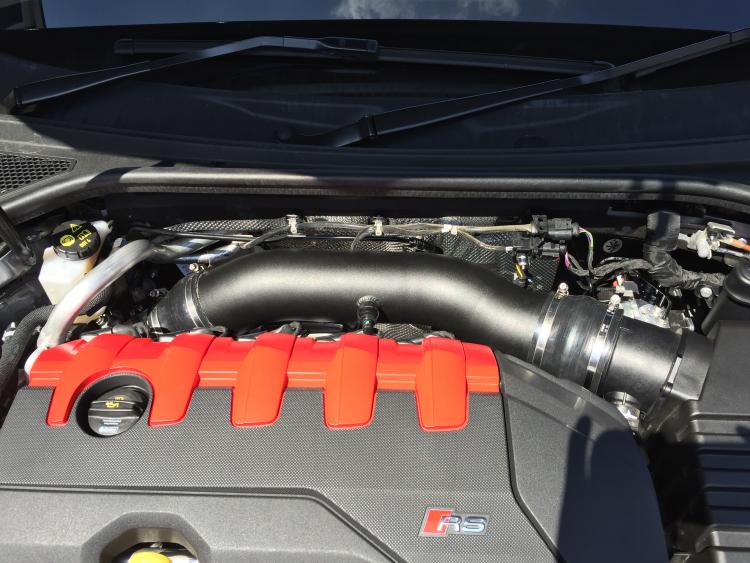
Below are the pics of the fitting problems and alignment issues, followed by the mods I made to the kit to improve the fit.
Angle of the auxiliary pipe is too high and prevents the engine cover from fitting properly.
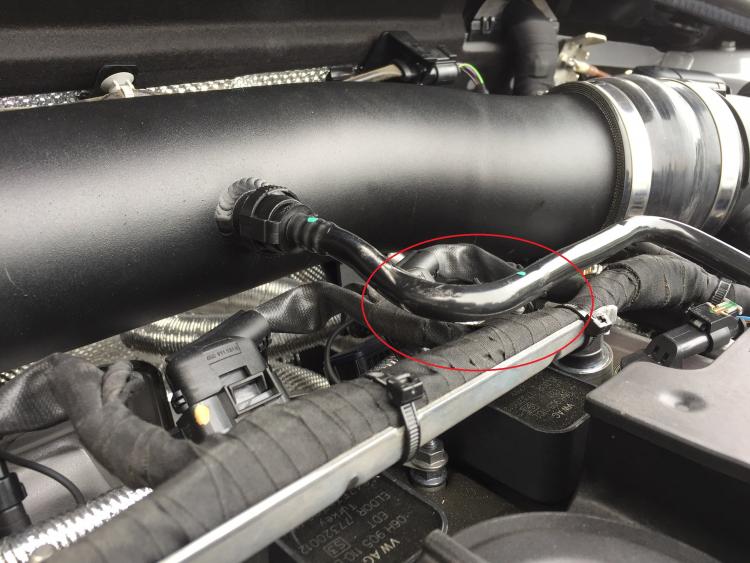
The electrical connector fouls on the hose and jubilee clamp
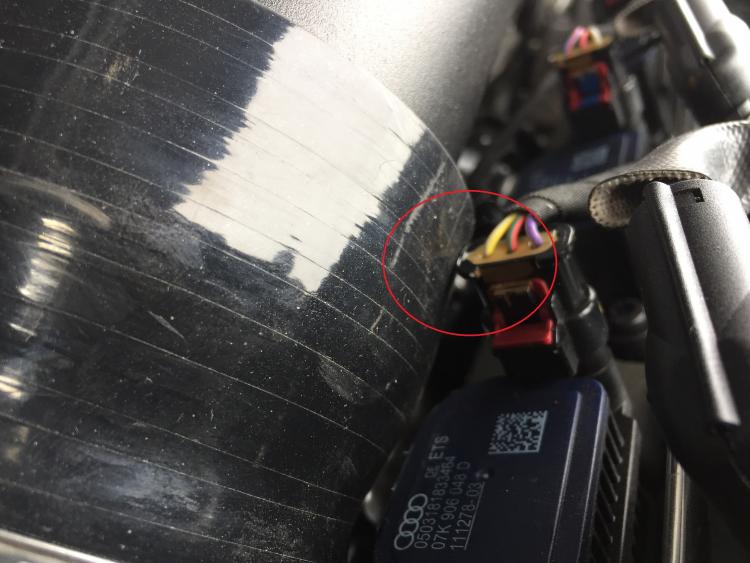
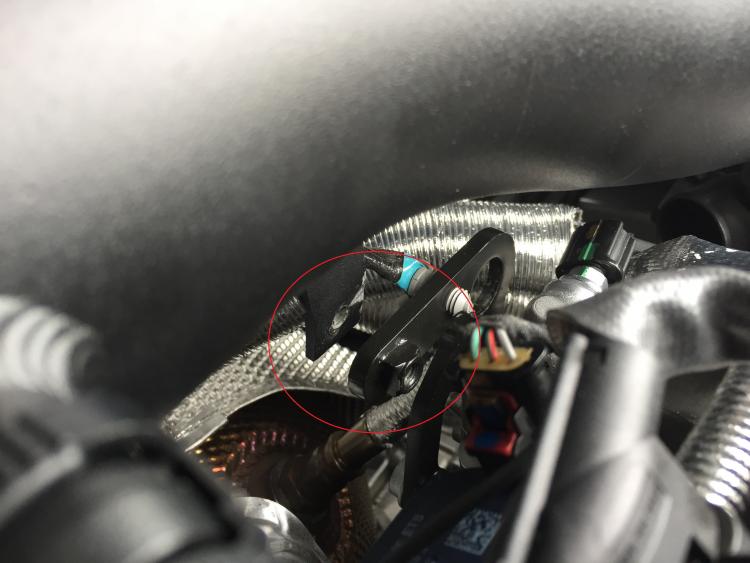
Large gap between the support bracket and location nut when pipe is aligned correctly
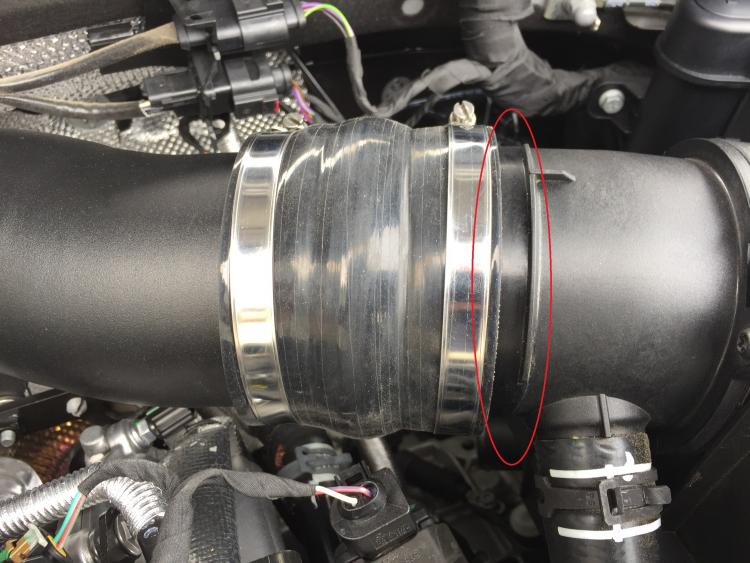
Silicone connecting hose is too short and leaves a gap at the airbox joint. This joint also has poor flexibility and does not allow enough movement when the engine is revved
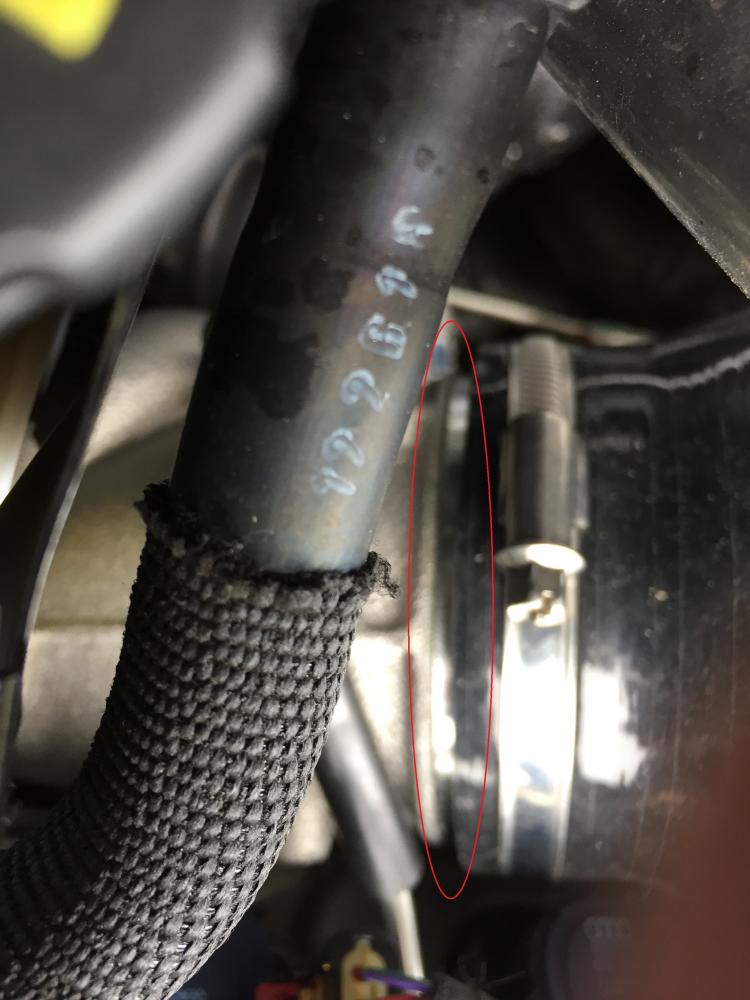
Gap at the turbo housing due to the silicone hose not being long enough. The hose moves when tightening the clamps
So.........here's what I did to make it fit properly.
Replaced the turbo connecting hose with a longer one. Note: I had to trim approximately 6mm from the 76mm diameter end.
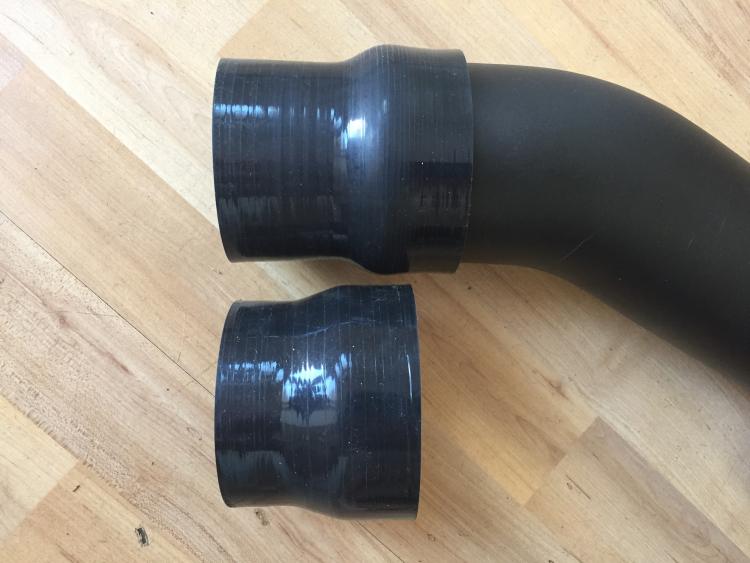
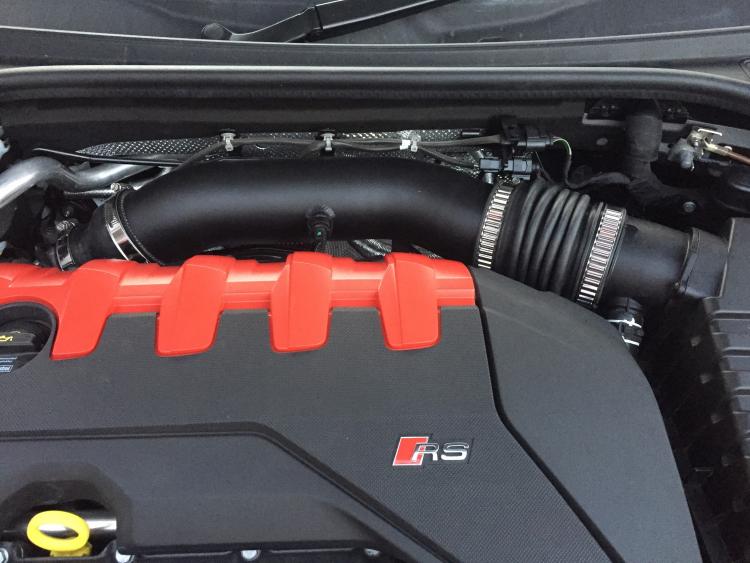
I also replaced the airbox stiff silicone connector with a flexible hose similar to the OEM version (the part is from a Nissan). This gives a flexible joint between the airbox and intake pipe with no tugging on the joint. I had to trim 6mm off the airbox plastic trumpet to get the best fit.
To keep all the hoses in place I invested in some Turbosmart Murray clamps (T-800 spotted them first) as these expand and contract with the heat and keep constant clamping pressure. Expensive but they won't pop off!
The final result! Looks bit like the OEM part too.
Edited by Fivepotfan, 11 July 2018 - 06:33 PM.


 Follow Us on Twitter
 Like Us on Facebook

 Sign In
 Create Account


 Back to top
 Quote
Quote MultiQuote